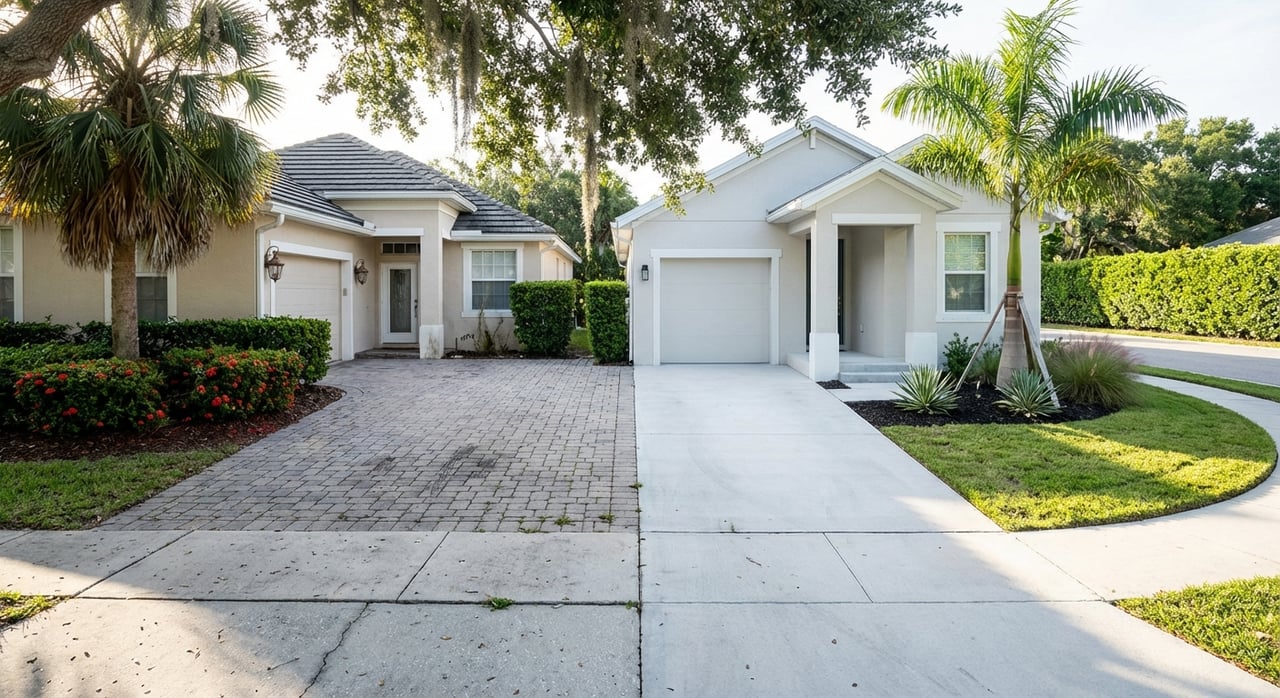
Should you buy a resale or a new build in Babcock Ranch? It is a great question, and the right answer depends on your timeline, budget, and how much you want to customize. You will learn what changes the math in this community, from pricing and build timelines to warranties, fees, and financing. By the end, you will know which path fits you best and what to ask before you sign. Let’s dive in.
Babcock Ranch at a glance
Babcock Ranch is planned as a large, sustainability‑focused town often described as America’s first solar‑powered town. The community’s vision and design are highlighted by its solar‑powered infrastructure and energy‑efficient approach. The developer reports the town has surpassed 5,000 new home sales and is planned for roughly 20,000 residences, which means a steady pipeline of new construction and a growing pool of resales as neighborhoods mature. You can see that momentum noted in the community’s update on reaching 5,000 homes sold.
Multiple national and regional builders operate here, offering villas, townhomes, and single‑family homes across entry, move‑up, and luxury tiers. The community lists options from names like Lennar, Meritage, Pulte, D.R. Horton, Toll Brothers, DiVosta, Park Square, and William Ryan Homes, among others. You can review the active builder lineup on the Babcock Ranch builders page.
Prices: resale vs new today
Realtor.com’s neighborhood profile reported in late 2025 that Babcock Ranch’s median listing and sold prices were in the low to mid $400Ks range. You can use the Babcock Ranch market overview as a starting point, then verify the latest snapshot before you decide. New construction in the community ranges widely, with entry pricing historically starting in the upper $200Ks and running up to luxury levels in the millions depending on builder, series, and lot.
Here is the key pricing takeaway. Base prices for to‑be‑built homes can look lower on paper, but final costs rise with lot premiums and design upgrades. Quick move‑in or spec homes are usually priced closer to comparable resales once you account for included options. For apples‑to‑apples comparisons, match the same or similar floor plan, lot type, and included finishes.
Timing and move‑in readiness
If you need to move now
Choose a resale or a builder’s quick move‑in. Resales can usually close in 30 to 45 days if your financing is ready. Many Babcock Ranch builders also publish “move‑in ready” lists. You can browse examples of active quick move‑ins for major builders on sites like NewHomeSource’s Lennar page for Babcock Ranch.
If you want to personalize
A to‑be‑built home lets you pick finishes, layout options, and appliances. This path is best if you have a flexible timeline and a clear vision for your home. Plan your design center budget early and ask for a written list of included features versus upgrades.
Build timeline basics
For most production builders, the common estimate is roughly 6 to 12 months from contract to completion, based on plan, lot, and permitting. That estimate varies by builder and market conditions, so always ask for current timelines at contract. For context on the typical new‑construction process and timing, see this industry overview on building a home.
Warranties, inspections, and peace of mind
New‑home warranties
Many national builders use a tiered “1‑2‑10” warranty structure. In plain terms, that usually means 1 year for workmanship and materials, 2 years for distribution systems like electrical, plumbing, and HVAC, and 10 years for qualifying major structural defects. The Lennar Limited Warranty on file with the SEC is a good example of how coverage is defined in writing.
What should you do with that information? Read the actual warranty booklet, confirm who administers or insures the structural portion, and get the builder’s claim process in writing. A warranty reduces some risk, but response times and procedures can vary by company.
Inspections you still need
Independent inspections help on both paths. For new builds, plan staged checks at foundation, pre‑drywall, and final punch‑list, as outlined in the new‑construction process guide. For resales, order a comprehensive home inspection and add specialists as needed, such as roof or HVAC.
Resale home warranties
On a resale, you can sometimes negotiate a one‑year home‑service warranty that covers major systems and appliances. Typical standalone policy costs range from the low hundreds to the low thousands per year, depending on coverage. See current consumer cost ranges in this home warranty cost summary.
Monthly costs and one‑time fees
CDD and special district
Babcock Ranch was created with an independent special district structure that can levy non‑ad valorem assessments to fund infrastructure and amenities. In practice, that means many owners will pay an annual assessment, and some may have prepayment options. You can learn more about how these districts work from Florida’s statute creating the district framework here. Always verify the exact CDD or assessment amount for the specific neighborhood and lot before you commit.
HOA and amenities
HOA fees vary by product type and neighborhood in Babcock Ranch. Villas, townhomes, and single‑family homes have different structures and inclusions. Ask for the current HOA budget, rules, and any transfer or capital contribution fees for the community you are considering.
Insurance and utilities
Flood insurance requirements depend on the specific lot and lender guidelines. Check FEMA maps and request quotes from your insurer. Babcock Ranch’s energy‑efficient construction and community solar approach can support lower utility use compared to older homes, as noted in the community overview on sustainability. Still, you should underwrite actual monthly costs by reviewing seller utility bills for resales and builder energy features for new homes.
Financing and incentives
Resale purchases typically follow a standard mortgage process with appraisals and a 30 to 45 day closing timeline if financing is in order. New construction often comes with preferred lenders, extended rate locks, and incentives that change your monthly payment. Builders across 2024 to 2026 have frequently used rate buydowns, closing cost credits, or design center credits to move inventory. For context on these strategies, review this roundup of current buyer incentives.
To decide which route lowers your total cash and monthly payment, compare net numbers, not just sticker prices. Use a simple worksheet that includes price, estimated taxes, HOA dues, CDD assessments, insurance, and utilities. Then factor in any seller concessions or builder incentives.
Quick decision guide
Use your top priority to steer your choice:
- Timeline ASAP: Choose a resale or a builder quick move‑in. Confirm the exact close date and what is included.
- Custom finishes: Choose to‑be‑built and confirm build timeline, design options, and lot premiums before you sign.
- Lowest near‑term maintenance: New construction usually wins with new systems and materials. Ask for the builder’s energy features and warranty details.
- Best overall value: Compare apples to apples. Look at the same plan and lot type and include HOA, CDD, insurance, and utilities in your budget.
- Risk and surprises: New construction comes with a defined warranty. Resales offer full visibility at inspection and may include a seller‑paid home warranty.
What to ask on tours
Resale tour checklist
- Seller disclosures and any past inspection reports
- Recent utility bills and HOA covenants, budget, and rules
- Year and condition of roof, HVAC, water heater, and major systems
- Proof and permits for any improvements
- Nearby comps for similar floor plans and lot types
New‑build and model tour checklist
- Standard feature sheet and a clear list of upgrades vs base
- Current lot premium schedule and a sample purchase contract
- Builder’s warranty booklet and warranty administrator name
- Estimated build timeline and any quick move‑in inventory with firm dates
- Current incentives, rate locks, and preferred lender requirements
Always confirm the CDD or special assessment amount and HOA dues for the exact lot and neighborhood you are considering. Ask for the most recent budgets and assessment schedules in writing.
Ready to compare your options?
Whether you want the speed of a resale or the personalization of a new build, you deserve local guidance that puts real numbers to your goals. As a Babcock Ranch specialist, I help you verify HOA and CDD fees, compare builder incentives, and match plans and lots to your timeline. If you are ready to tour or build a side‑by‑side cost comparison, let’s talk. Connect with Lindsey Moffat to get started today.
FAQs
What makes Babcock Ranch unique compared to other SWFL communities?
- Babcock Ranch is planned as a large, sustainability‑focused town highlighted as America’s first solar‑powered town, with ongoing new‑home releases and a growing resale pool.
Are new builds usually more expensive than resales in Babcock Ranch?
- Base prices for to‑be‑built homes can look lower, but lot premiums and design upgrades raise totals; quick move‑ins often price near comparable resales once inclusions are counted.
How long does a new home take to build in Babcock Ranch?
- Many production builders estimate roughly 6 to 12 months from contract to completion, depending on plan, lot, and conditions; always confirm current timelines.
What kind of warranty comes with new construction at Babcock Ranch?
- Many national builders use a 1‑2‑10 model covering workmanship, systems, and structural items; always read the builder’s booklet and confirm who administers claims.
What extra fees should I budget for beyond the mortgage?
- Include HOA dues, CDD or special assessments, property insurance (and flood if required), utilities, and any transfer or capital contribution fees.
Can I move in quickly with new construction, or should I choose resale?
- If speed matters, choose a resale or a builder’s quick move‑in; if you can wait for customization, a to‑be‑built home is the better fit.