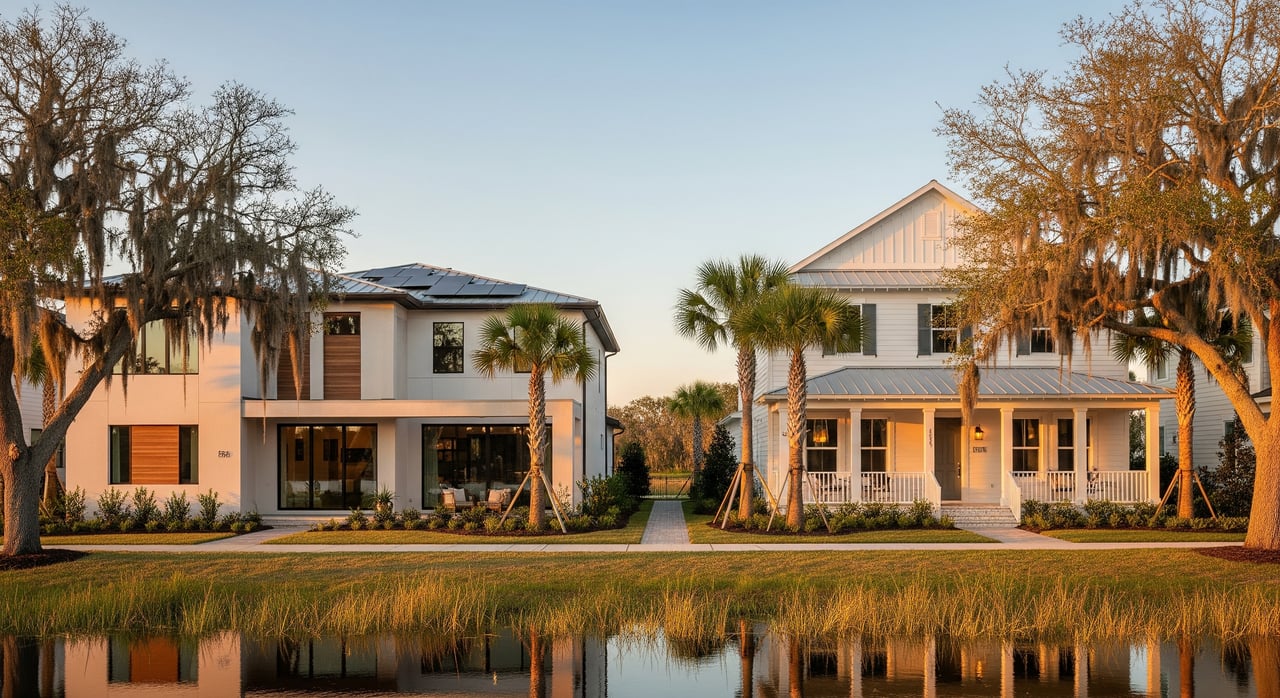
Trying to choose between Pulte and Lennar at Babcock Ranch? You’re not alone. Both builders are active in the community, and each has its own approach to inventory, finishes, timelines, and warranties. In this guide, you’ll learn how to compare them side by side, what to ask on a model tour, and how to pick the fit that matches your priorities. Let’s dive in.
Quick snapshot: fit over favorites
Pulte and Lennar are national builders selling homes within Babcock Ranch. Each builder’s local division sets product offerings, lot releases, standard features, and incentives within the rules of the master‑planned community.
Because these details change often, focus on your goals first: move‑in timing, personalization, budget predictability, and maintenance. Then confirm current offerings directly with each sales office and your agent.
Inventory and buying paths
You’ll usually see three inventory types in Babcock Ranch:
- Spec or quick‑move‑in homes: completed or nearly complete, faster close, limited personalization.
- Build‑to‑order homes: pick a lot and options, more choices, longer timeline.
- Model homes: sometimes sold later, often at a premium or with incentives.
Ask both builders today’s inventory mix, release schedule, and deposit terms for each path. Spec homes can offer speed and potential incentives. Build‑to‑order offers more control over selections and layout choices.
Timeline expectations
Closing on a spec home can be as fast as days or a few weeks once financing and inspections are set. A new build from the ground up commonly takes about 4 to 9 months, depending on plan complexity and local conditions.
At Babcock Ranch, timeline shifts often come from Charlotte County permitting and inspections, lot availability within each neighborhood phase, subcontractor schedules, and seasonal factors like hurricane season. Always request timelines in writing and review contingency dates before you sign.
Ways to keep your build on track:
- Get pre‑approved with a builder‑familiar lender early.
- Make design selections promptly and avoid late change orders.
- Track contract deadlines and confirm target inspection dates.
Plans and livability priorities
Both builders typically offer single‑family homes and may include other product types such as villas or paired homes, depending on the phase. Expect open‑plan living with Florida‑friendly features like covered lanais and options for impact glass or shutters.
Compare square footage, bedroom and bath counts, storage, and indoor‑outdoor flow. If you need flexible space for a home office or multigenerational living, ask if the current plan lineup allows structural options or alternative layouts.
Finishes and what’s included
Builders use two common strategies:
- Higher baseline inclusions: more features included up front, fewer decisions, easier budgeting.
- Lower baseline with paid options: more customization potential, costs can rise with upgrades.
Request an itemized “included features” list for the exact plan you’re considering from each builder. Compare cabinets, countertops, flooring, lighting, plumbing fixtures, and appliance packages. At Babcock Ranch, the community’s sustainability focus may influence energy features, so ask how each builder handles items like HVAC efficiency and any solar or battery options.
Warranty and post‑closing service
Most national builders offer a structure such as: short coverage for workmanship and cosmetic items, one to two years for systems, and a limited 10‑year structural warranty. Specifics vary by builder and community.
Ask each sales office for the full warranty booklet and read:
- Coverage periods and exclusions
- How to file claims and expected response times
- Whether a third‑party backs the structural warranty
Keep a punch list with photos at the final walkthrough and request repair timelines in writing. If you want extra peace of mind, verify the builder’s licensing and any complaint history with the appropriate Florida regulator.
HOA, CDD, and amenities
Babcock Ranch has multiple governance layers. There is a master association that oversees shared amenities and common areas, and some neighborhoods may have sub‑HOAs. Community Development District (CDD) fees may also apply.
Review what your dues cover, whether there are capital contributions or special assessments, and how amenity access works for your neighborhood. Ask about exterior standards, landscaping rules, and any environmental protections that affect irrigation or lot modifications.
If energy is a priority, confirm how the community’s solar and energy programs interact with homeowner bills and what equipment, if any, is included or optional with each builder.
Pricing, incentives, and contracts
Price and incentives shift with market conditions and lot releases. Compare price per square foot for similar plans and lots, and ask about current promotions such as rate buydowns or closing cost contributions. Confirm deposit amounts, whether they are refundable, and the conditions for release.
Read the purchase agreement carefully. Look for inspection and financing contingencies, change‑order processes, and remedies for delays. Your agent can help you clarify what is standard versus upgrade and how each item affects your bottom line.
Side‑by‑side tour checklist
Bring these items when you tour Pulte and Lennar models back to back:
- Printed included‑features list for your exact plan from each builder
- A notepad for sight lines, storage, natural light, and noise observations
- A shortlist of design upgrades you care about with sample price ranges
- Lot info: orientation, setbacks, drainage, and flood zone notes
- Warranty booklet summaries and post‑closing service cadence
After the tour, request current spec inventory sheets, deposit terms, and estimated delivery windows for your top lots and plans.
Buyer profiles: which path fits you
- You need to move soon: Focus on the builder with more spec or quick‑move‑in options right now. Confirm estimated close dates in writing.
- You want customization: Lean toward a build‑to‑order path and ask which structural options are permitted for your chosen plan.
- You want budget control: Prioritize higher baseline inclusions and get an apples‑to‑apples cost comparison across both builders.
- You value energy features: Ask how each builder aligns with Babcock Ranch’s sustainability goals and whether solar or battery options are available.
- You prefer low maintenance: Confirm HOA coverage, exterior standards, and what landscaping services are included by neighborhood.
How a local agent adds value
A Babcock Ranch‑focused agent helps you compare builders on the details that matter. You get guidance on included features and upgrades, contract and warranty review, and timeline management from contract to close. During construction, your agent can attend key walkthroughs, track punch list items, and coordinate with the HOA for a smooth handoff.
If you’re ready to compare Pulte and Lennar side by side, let’s plan your model tour, line up today’s inventory and incentives, and build an apples‑to‑apples cost view. When you want a smoother path to the right fit at Babcock Ranch, connect with Lindsey Moffat.
FAQs
What changes fastest between Pulte and Lennar at Babcock Ranch?
- Inventory, pricing, and incentives change often. Ask each sales office for today’s spec list, current promotions, and deposit terms before you decide.
How long does a new build usually take at Babcock Ranch?
- Many builds range about 4 to 9 months depending on plan complexity and local permitting, weather, and subcontractor schedules. Get a written timeline from the builder.
How do I compare included features across builders?
- Request the plan‑specific included features list from both sales offices. Compare cabinets, counters, flooring, lighting, appliances, HVAC specs, and any smart‑home or energy items.
What warranty protections should I expect from a national builder?
- Typical structures include short‑term workmanship coverage, one to two years for systems, and a limited 10‑year structural warranty. Review each builder’s booklet for exact terms.
How do HOA dues and CDD fees work at Babcock Ranch?
- There is a master association and some sub‑HOAs, plus potential CDD fees. Review budgets, fee schedules, what dues cover, and any capital contributions before you sign.
Can I use my own lender and still get incentives?
- Many promotions are tied to preferred lenders. Ask both builders for side‑by‑side estimates with and without preferred financing so you can compare total cost.