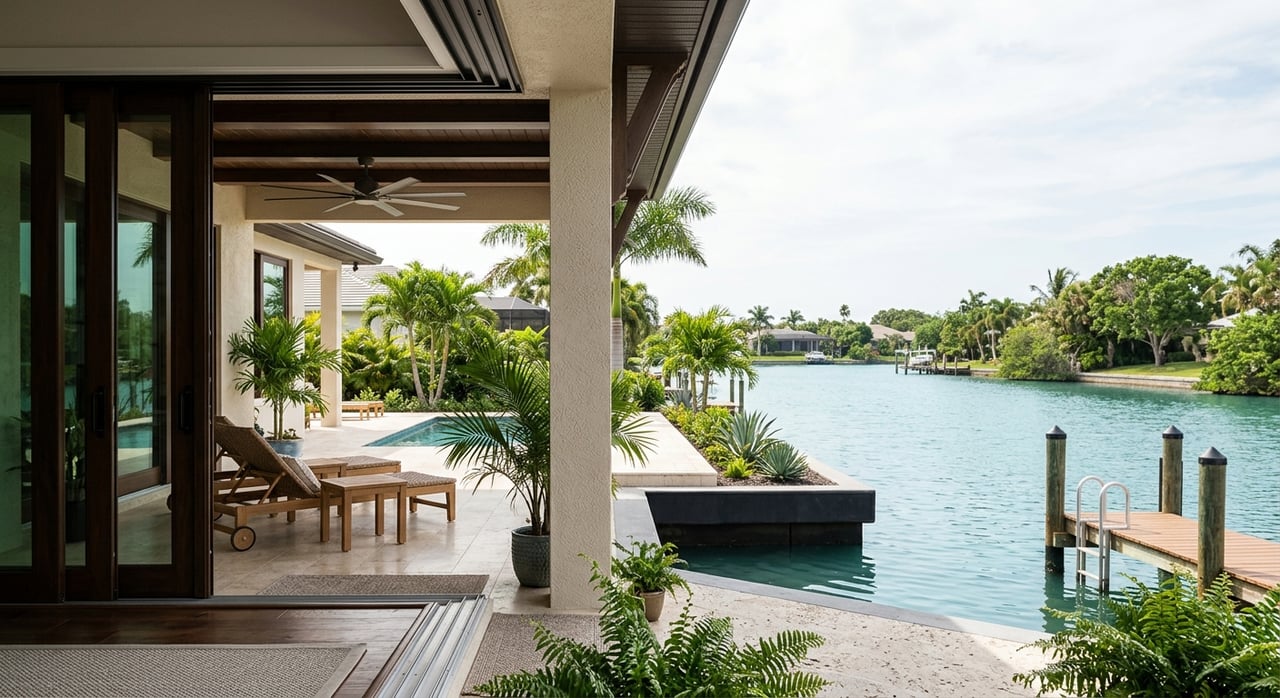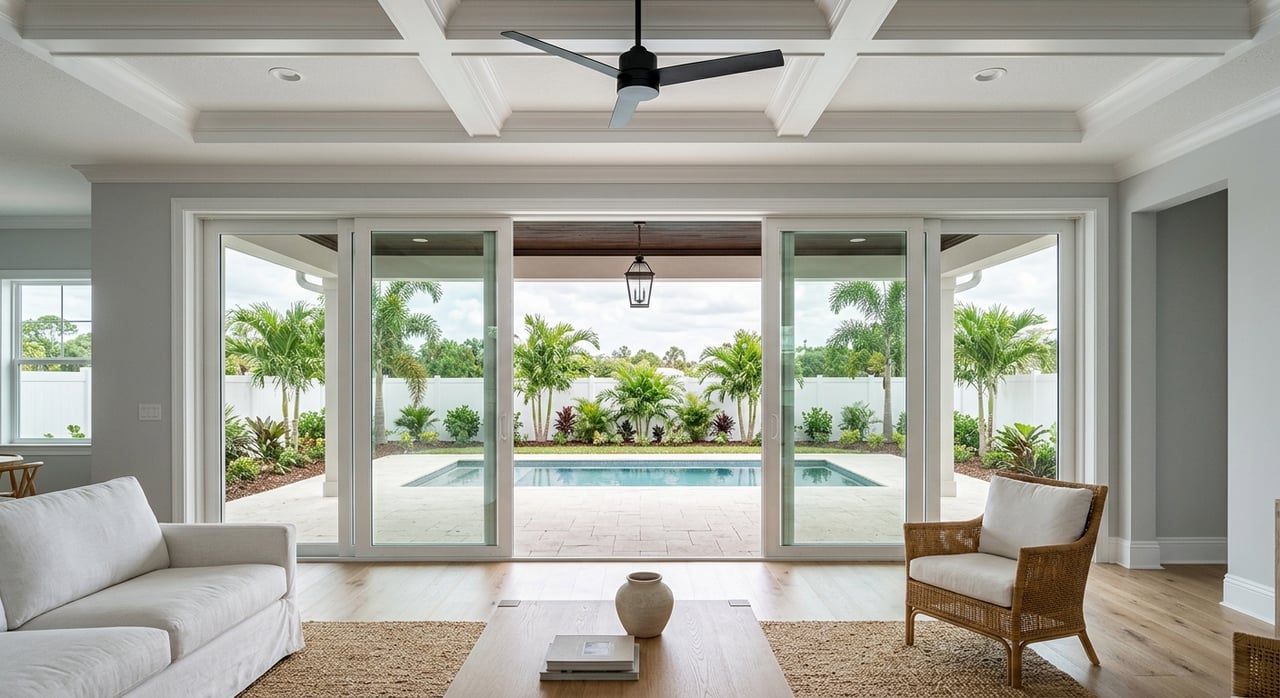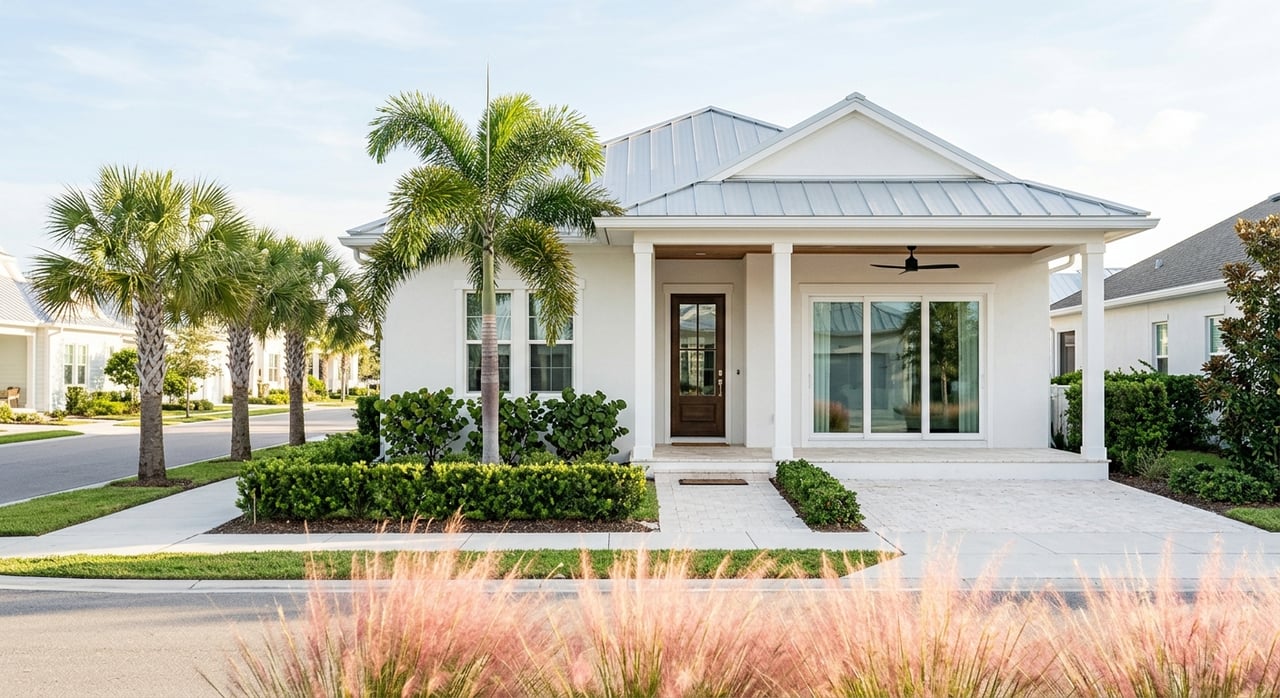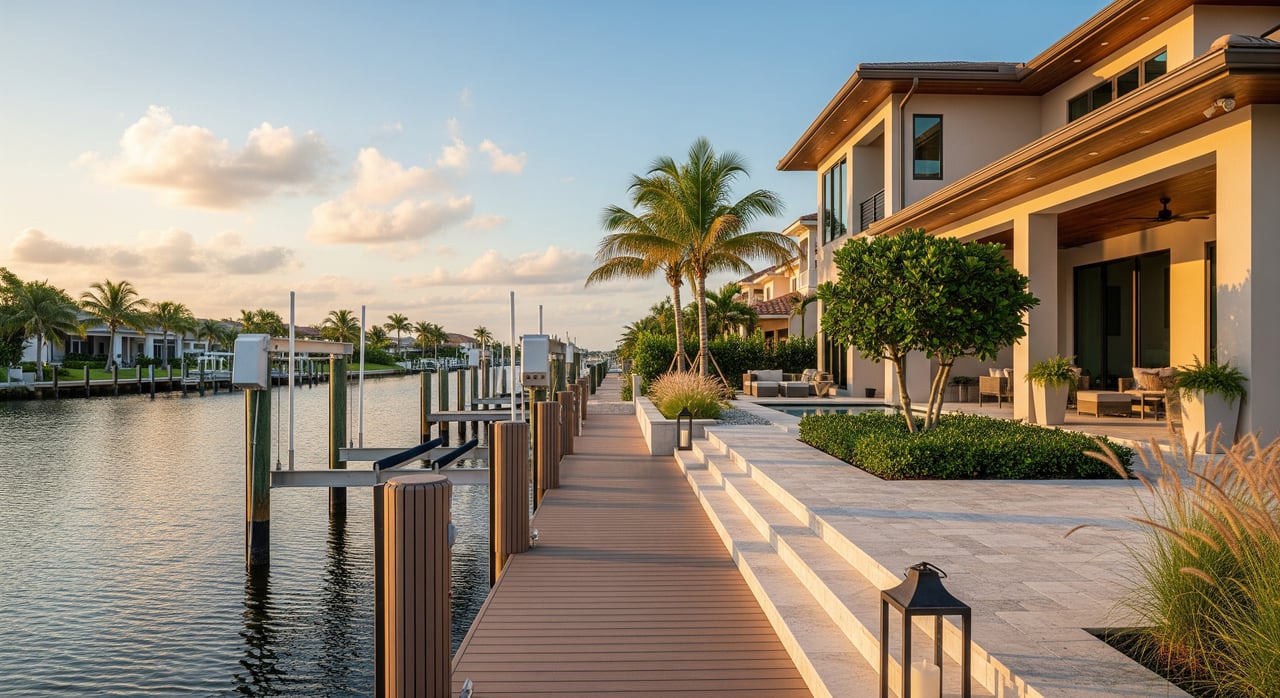
Trying to choose between a condo and a villa or single‑family home in an HOA in Cape Coral? On the surface the communities can look similar, but what you own, what you maintain, and how fees and insurance work can be very different. You want a clear picture before you fall in love with a property or commit to monthly dues. This guide breaks down the key differences, the questions to ask, and a simple checklist to help you buy with confidence. Let’s dive in.
What you actually own
Condominiums (Florida Chapter 718)
In a condo, you typically own the interior of your unit and share ownership of the common elements with other owners. The exact unit boundaries are defined in the recorded declaration. In many condos, the association maintains the building exterior, roof, structure, and systems serving multiple units. To see how Florida law treats condominiums, review the Florida Condominium Act in Chapter 718 of the Florida Statutes.
HOAs and villas (Florida Chapter 720)
In HOA communities, you usually own the lot and the home itself. The association maintains shared spaces like entrances, landscaping, pools, or clubhouses, but not always your roof or exterior. Attached villa neighborhoods can vary, sometimes shifting exterior upkeep to the association through a separate maintenance agreement. For the governing framework, see Chapter 720 of the Florida Statutes.
Key takeaway: Always confirm responsibilities in the recorded declaration and rules before you buy.
Who maintains what
Condo associations commonly handle building exteriors, roofs, structure, elevators, and grounds. That is why condo dues often include large line items for building insurance and reserves.
HOAs usually maintain only common areas. You are often responsible for your own roof, exterior paint, driveway, and irrigation unless the documents say otherwise. Some communities have a master association with sub‑associations. Make sure you know which association handles which element and what each fee covers.
Quick items to verify in writing:
- Roof replacement and repairs
- Exterior painting and stucco
- Driveways, walkways, and landscaping
- Irrigation systems and water use
- Seawalls, docks, and canal infrastructure
How governance and approvals work
Both condos and HOAs run on governing documents: a declaration, articles, bylaws, and rules. An elected board manages budgets, projects, and enforcement. Voting can differ. Condos may allocate votes by unit interest, while HOAs commonly assign one vote per lot.
Many Cape Coral communities require buyer approval. Expect an application, background check, fee, and processing timeline. Ask about rental policies, pet rules, and any minimum occupancy standards. For consumer guidance on condominium governance and disclosures, the Florida DBPR’s Division of Condominiums offers helpful resources at the DBPR Division of Condominiums.
Tip: Get the approval requirements and timeline early so your closing is not delayed.
Fees, budgets, and reserves
Both associations collect regular assessments to fund operations and reserves. Dues vary widely based on what is covered. Communities with extensive amenities, on‑site staff, or waterfront infrastructure like marinas and seawalls usually have higher dues.
Healthy reserves are critical. Many associations keep dedicated reserves for roofs, paving, painting, elevators, and more. If reserves are low, the board may levy a special assessment for big projects or storm repairs. Review the current budget, reserve balances, and the latest reserve study. Ask about any planned capital projects and the history of special assessments.
What to request from the seller or association:
- Current budget and the last 2–3 years of financial statements
- Latest reserve study and reserve account balances
- Delinquency rate and collection policy
- Minutes from the last 12–24 months of meetings
- Any pending special assessments or large projects
Insurance differences in Cape Coral
Association vs personal policies
Condo associations usually insure common elements and often the building exterior and structure. You typically carry an HO‑6 policy for your interior improvements, contents, personal liability, and loss assessment coverage. For a plain‑English overview of condo coverage, see the Insurance Information Institute’s guide to condo insurance.
HOA owners generally need a standard homeowner policy that covers the dwelling, roof, exterior, and personal property. The association insures shared common areas only. In both cases, make sure your policy includes loss assessment coverage in case the association’s master policy has gaps.
Hurricanes, flood, and seawalls
Cape Coral faces significant wind and storm surge risk. Many master policies carry sizable hurricane deductibles that could lead to owner assessments after a major storm. Flood insurance is separate from wind or hurricane coverage. Use the FEMA Flood Map Service Center to review flood zones and talk with your lender and insurance agent about requirements.
Waterfront buyers should confirm who maintains seawalls and docks and how those costs are funded. For questions on local codes and permitting that can affect docks, seawalls, and renovations, start with the City of Cape Coral’s official site.
Action step: Obtain the association’s master policy summary and a written list of what the association insures versus what you must insure. Then get personal quotes that reflect those gaps and deductibles.
Rules, rentals, and use
Both condos and HOAs can have rules for pets, parking, noise, and architectural changes. If you plan to rent, check minimum lease terms, any rental caps, and registration requirements. Many communities limit short‑term rentals. Make sure the association rules align with your plans.
Buying checklist for Cape Coral condos and HOAs
Request and review these before your inspection period ends:
- Recorded Declaration, Bylaws, Rules and all amendments
- Estoppel or resale certificate showing dues, arrears, transfer and application fees
- Current budget, last 2–3 years of financials, and reserve study
- Insurance summary for the association and owner responsibilities
- Meeting minutes and any litigation disclosures for the last 12–24 months
- Special assessment history and planned capital projects
- If applicable, master association documents and fees
- For waterfront: seawall and dock responsibility, condition, and permit history
- Building age, recent major projects, and hurricane retrofit status
Practical steps:
- Review documents with a Florida real estate attorney familiar with Chapters 718 and 720.
- Schedule an inspection that pays close attention to the roof, building envelope, and any seawall.
- Get insurance quotes for both your policy and possible assessment exposure.
Red flags to watch
- Low or no reserves with no plan to fund upcoming projects
- Repeated or large special assessments without clear budgeting
- Significant ongoing litigation noted in minutes or disclosure documents
- High delinquency rates on dues
- Frequent manager turnover or weak oversight
- Unclear responsibility between master and sub‑associations
Which is right for you?
If you want a low‑maintenance lifestyle and are comfortable with shared decisions and dues that fund building upkeep, a condo can be a great fit. If you prefer more control over your home and yard and do not mind handling your own exterior maintenance and insurance, an HOA home or villa may suit you better. In Cape Coral, canal access, flood zones, and hurricane risk add a few extra layers. Focus on what you own, what you insure, and the strength of the association’s finances.
Ready to compare options or evaluate documents for a property you love? Connect with a local guide who understands SWFL associations, approvals, and new‑construction nuances. Reach out to Lindsey Moffat to get clear answers, a custom checklist, and next steps that fit your goals.
FAQs
What does a condo association usually cover in Cape Coral?
- In many condos the association maintains the building exterior, roof, structure, and common systems, while you insure and maintain your interior. Always verify in the declaration.
How are HOA dues different from condo dues?
- HOAs often fund common areas only, so owners typically pay to maintain and insure their own roofs and exteriors; condo dues usually fund building insurance and reserves for shared structures.
Do I need flood insurance for a Cape Coral property?
- It depends on your flood zone and lender, but many areas require it; check your address on the FEMA Flood Map Service Center and get quotes early.
Can an association in Florida screen or deny buyers?
- Associations can require applications and follow reasonable rules, but they must comply with state and federal fair housing laws; ask for requirements, fees, and timelines up front.
What happens if an association has low reserves?
- Low reserves increase the chance of special assessments or higher monthly dues; review the reserve study, recent budgets, and any planned capital projects before you buy.