Choosing the right paint tones for every room in your home can transform your living space and reflect your personal style. The science of color plays a crucial role in interior design, influencing mood, perception, and even the perceived size of a room. Understanding how to select the perfect paint tones involves considering various factors, from lighting to the function of each room. This exploration of color selection will guide you through the essential aspects of choosing paint tones that enhance your home.
Understanding Color Psychology
Color psychology is the study of how colors affect emotions and behaviors. Different colors can evoke different feelings, making it essential to consider the psychological impact when choosing paint tones. For instance, blue is often associated with calmness and serenity, making it a popular choice for bedrooms and bathrooms. On the other hand, red can stimulate energy and passion, which might be suitable for a dining room or an accent wall. By understanding the psychological effects of colors, you can create a harmonious atmosphere that aligns with the intended purpose of each room.
Assessing Natural and Artificial Lighting
Lighting significantly influences how paint colors appear in a room. Natural light can change throughout the day, altering the perception of color. Rooms with ample sunlight may enhance warm tones, while cooler tones might be more suitable for spaces with limited natural light. Artificial lighting also plays a role, with incandescent bulbs bringing out warm hues and fluorescent lights emphasizing cooler shades. Before selecting a paint color, observe how different lighting conditions affect the color samples in your space. This assessment ensures that the chosen color maintains its desired effect under various lighting scenarios.
Considering Room Size and Shape
The size and shape of a room can influence the choice of paint tones. Light colors can make a small room feel larger and more open, while dark colors can create a cozy and intimate atmosphere in larger spaces. Additionally, the shape of the room can be accentuated or minimized with strategic color placement. For example, painting a ceiling a lighter color than the walls can make it appear higher, while using a darker shade on one wall can create a focal point and add depth. Understanding how color interacts with room dimensions helps in selecting tones that enhance the architectural features of your home.
Coordinating with Existing Decor
When choosing paint tones, it's important to consider the existing decor and furnishings in each room. The color of your walls should complement the furniture, artwork, and accessories to create a cohesive look. Neutral tones like beige, gray, and white offer versatility and can easily blend with various styles and color schemes. If your decor features bold patterns or vibrant colors, consider using a more subdued wall color to balance the overall aesthetic. Coordinating paint tones with your decor ensures a harmonious design that reflects your personal taste.
Exploring Color Trends
Color trends in interior design can provide inspiration and direction when selecting paint tones. While trends should not dictate your choices entirely, they can introduce new ideas and combinations that you might not have considered. For instance, earthy tones and muted pastels have gained popularity for their calming and grounding effects. Exploring current color trends can help you discover fresh palettes that resonate with your style and enhance the ambiance of your home.
Testing Paint Samples
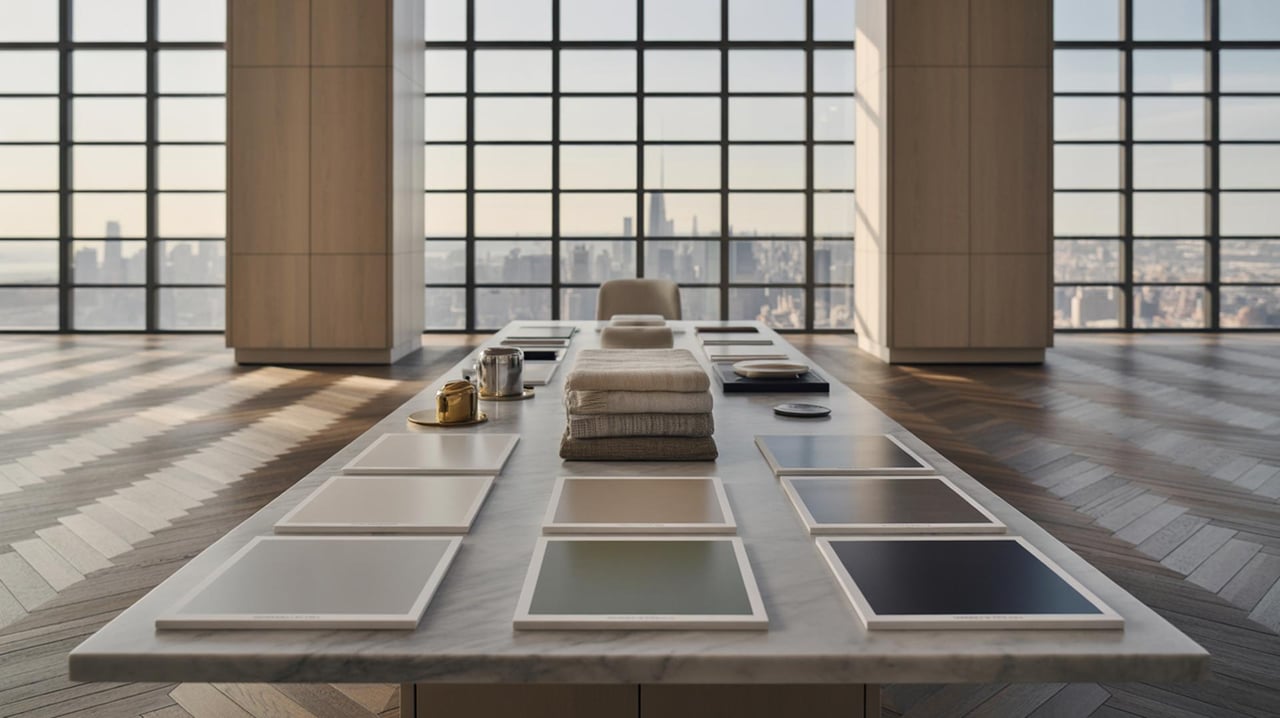
Before committing to a paint color, testing samples on your walls is a crucial step. Paint colors can look different in various lighting conditions and against different surfaces. Applying samples allows you to see how the color interacts with the room's lighting, decor, and architectural features. Consider painting small sections of the wall or using large sample boards that you can move around the room. Testing samples helps you make an informed decision and ensures satisfaction with the final result.
Balancing Warm and Cool Tones
Achieving a balanced color scheme involves understanding the difference between warm and cool tones. Warm tones, such as reds, oranges, and yellows, can create an inviting and energetic atmosphere. Cool tones, like blues, greens, and purples, tend to evoke calmness and relaxation. Balancing these tones within a room can enhance its functionality and mood. For example, a living room might benefit from a mix of warm and cool tones to create a lively yet comfortable space. Understanding how to balance these tones allows you to create a dynamic and harmonious environment.
Using Accent Walls
Accent walls are a popular way to introduce color without overwhelming a space. By painting one wall in a contrasting or bold color, you can add visual interest and define a focal point in the room. Accent walls work well in living rooms, bedrooms, and dining areas, where they can highlight architectural features or artwork. Choosing the right wall for an accent color involves considering the room's layout and natural focal points. Accent walls offer a creative opportunity to experiment with color and add personality to your home.
Considering the Function of Each Room
The function of a room should guide your choice of paint tones. Different activities and purposes call for different color schemes. For example, a home office might benefit from colors that promote focus and productivity, such as greens or soft blues. A kitchen, often a bustling and social space, might be enhanced with warm, inviting tones like yellows or terracottas. By aligning the paint color with the room's function, you can create an environment that supports its intended use and enhances the overall experience.
Seeking Professional Advice
For those who find color selection overwhelming, seeking professional advice can be beneficial. Interior designers and color consultants have expertise in creating cohesive color schemes that align with your vision and lifestyle. They can provide valuable insights into color psychology, lighting effects, and design trends, helping you make informed decisions. Consulting with a professional can simplify the process and ensure that your home reflects your style and meets your functional needs.
Transform Your Space with the Right Colors
Choosing the right paint colors can truly transform your home, making each room feel just right. By understanding the science of color, you can create spaces that are both beautiful and functional. Whether you're looking to energize your living room or create a calming bedroom retreat, the right hues can make all the difference. For personalized advice and expert guidance, reach out to Lindsey Moffat today and start your journey to a perfectly painted home.