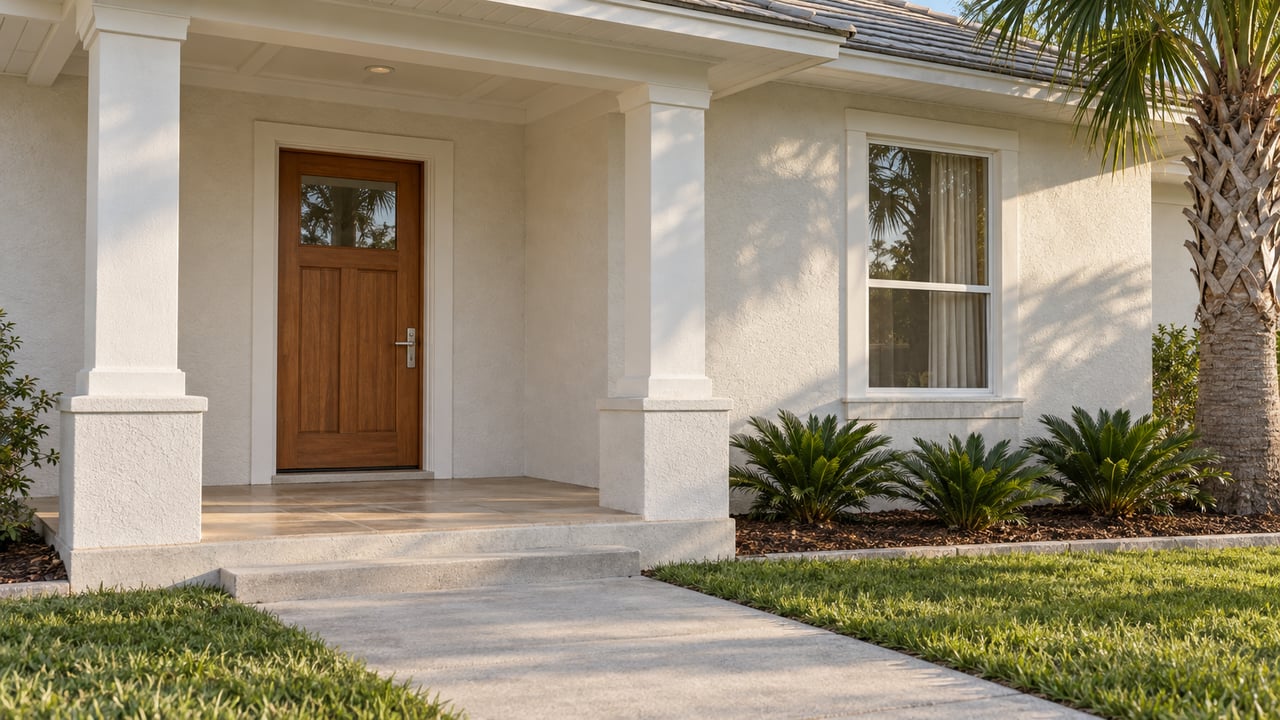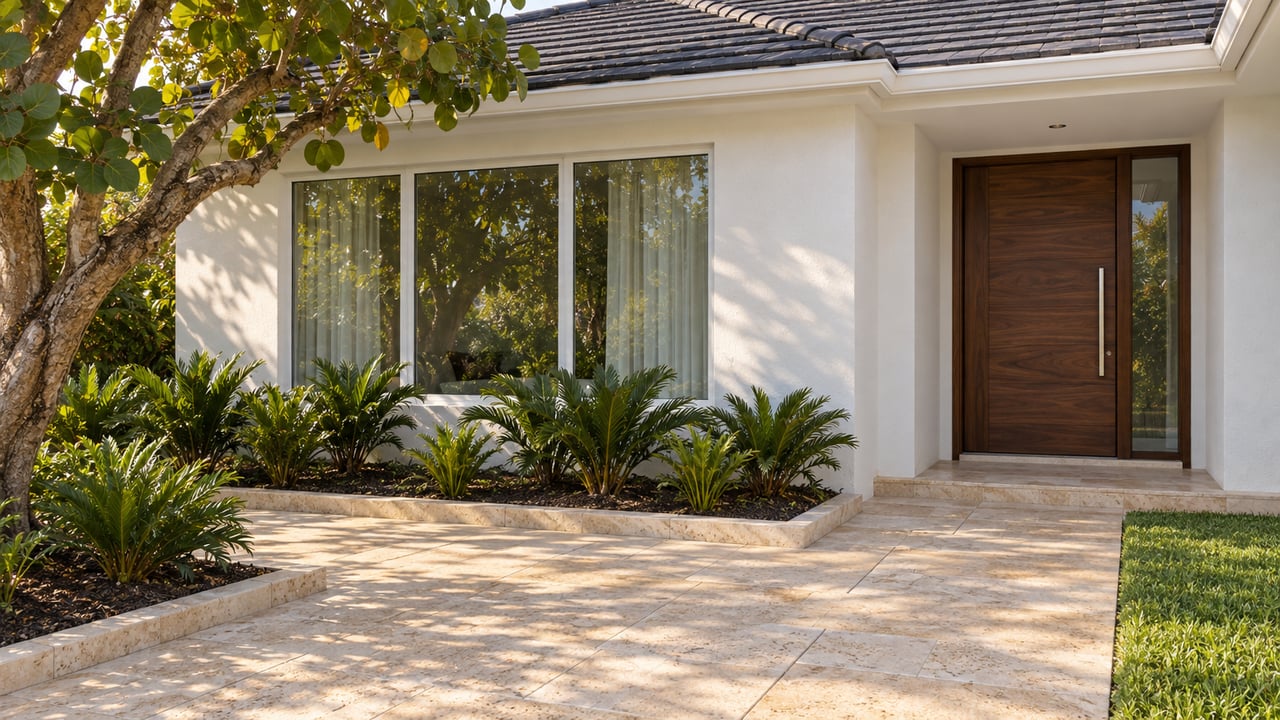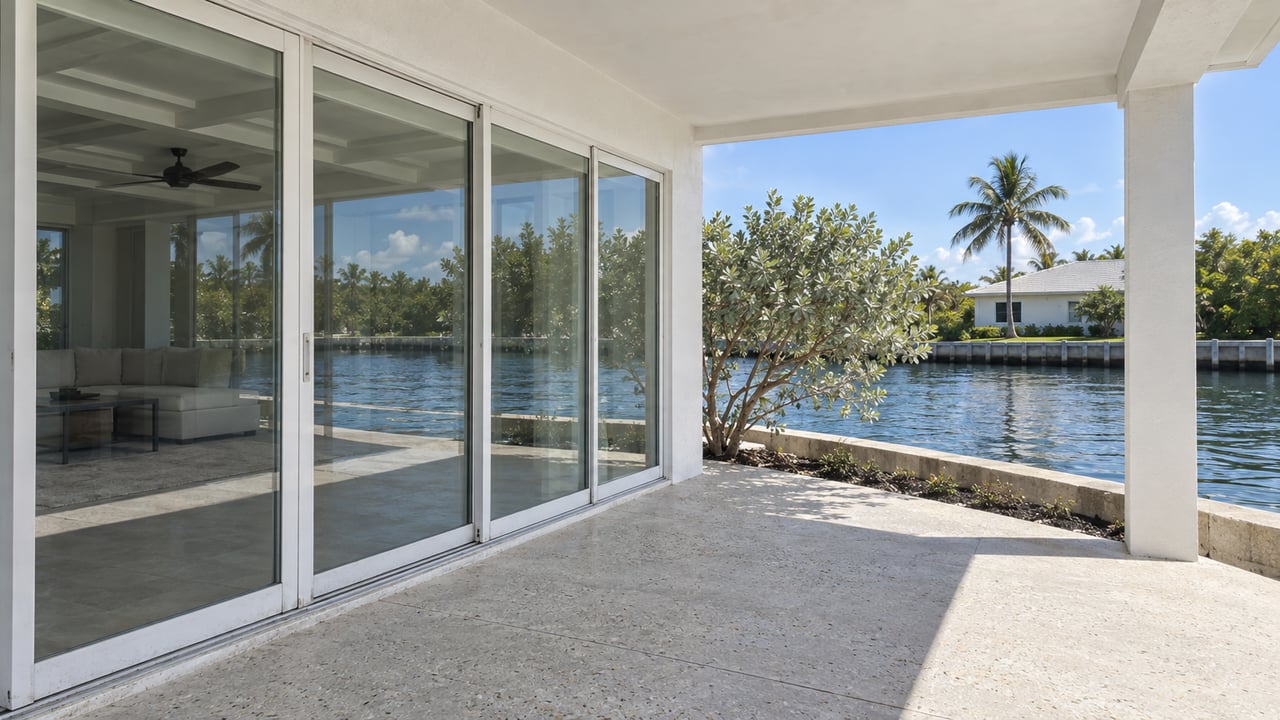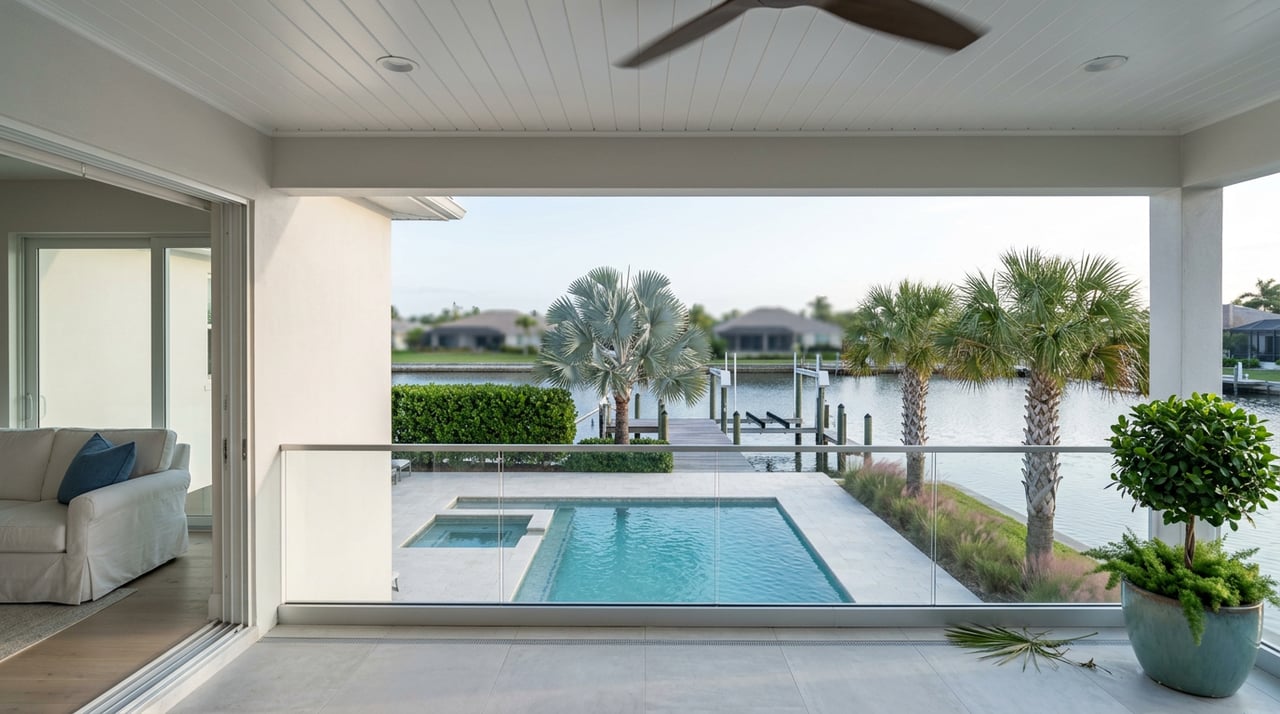
The softer condo median that keeps showing up on the portals is real, but it is not a single market cooling evenly. Naples in 2026 has split into two condo markets that happen to share a ZIP code, and the line between them is drawn by an engineer's report, not by view, floor, or square footage. If you are shopping the median, you are shopping an average of two prices that no longer belong in the same conversation.
The Line That Splits The Median
Florida's condo safety reforms finally landed with full weight this year. Senate Bill 4-D in 2022 established the statewide framework for milestone inspections and Structural Integrity Reserve Studies, Senate Bill 154 in 2023 added clarifications, House Bill 1021 in 2024 refined governance and reserve funding, and House Bill 913, effective July 1, 2025, adjusted deadlines and implementation details. Associations can no longer waive reserves for eight mandatory SIRS components including roof, load-bearing walls, fire protection, plumbing, electrical, waterproofing, windows and exterior doors, and any item with a deferred maintenance or replacement cost exceeding $10,000. The ban took effect for budgets adopted after December 31, 2024, and full reserve funding had to begin by January 1, 2026.
That January 1 date is the hinge. Every condo building in Collier County now sits on one side of it or the other, and the market has started to price that position with real precision.
| What buyers are actually paying for | Compliant building | Non-compliant or unknown |
|---|---|---|
| Milestone inspection status | Phase 1 complete, no Phase 2 triggered | Overdue, pending, or Phase 2 flagged |
| Reserves | Funded to SIRS study levels | Underfunded, waiver history, or unknown |
| Financing | Warrantable, conventional loans available | May sit on Fannie Mae's unavailable list |
| Pricing behavior | Holding value, selective appreciation | Deeper cuts, longer days on market |
| Assessment risk | Baked into monthly dues | Sitting in the seller's next 24 months |
Two identical two-bedroom units in the same submarket can now trade at very different prices, and the delta is not cosmetic. It is the market attempting to price a proportional share of a building's structural liabilities.
Naples Got A Better Inspection Report Than The Rest Of The State
Here is the fact that reshaped February and March of this year, and that most out-of-state buyers still have not caught up to. Pending sales jumped 55.9% from a year earlier and rose 23.4% from January, according to the Naples Area Board of Realtors' February 2026 Market Report. Much of the activity came from out-of-state buyers, particularly from the Northeast, and condominiums drove much of the increase, with pending condo sales climbing 82% year over year to 714 transactions. Brokers said the completion of state-required structural integrity inspections for older buildings has helped ease buyer concerns.
Jeff Jones, a broker at Keller Williams Naples, told Gulfshore Business that milestone inspections of condominiums in the Naples area revealed fewer issues than many east coast Florida buildings because they were built well originally and have been maintained to a higher standard.
That is the mechanism the median is not showing you. When a Naples building clears Phase 1 without triggering Phase 2, its value stabilizes almost immediately, because the largest unknown in a condo purchase has been converted into a known. When an east coast building clears Phase 1, it usually clears with a list of concerns attached. The regional reputation is now getting priced in at the building level.
Where The Softness Actually Lives
The headline numbers still describe a buyer's market, but only in aggregate. Single-family home prices in the Naples area increased by approximately 6.7% to a median of $800,000, while the condominium market softened by 2.7% to a median of $466,000. Single-family inventory declined about 5.5% year over year with months of supply near 7.5 in November 2025, while condo inventory rose about 8.6% year over year with months of supply near 9.8. A large share of Naples condo listings in 2026 experience at least one price reduction before going under contract, which clearly reflects the shift in negotiating power toward buyers.
Read those numbers through the compliance lens and the picture changes. The buildings taking price cuts are almost never the ones with clean milestone reports and funded reserves. The 9.8 months of condo supply is not evenly distributed across Naples. It is concentrated in older coastal stock that buyers are underwriting with a calculator, not a checkbook.
The Financing Cliff Most Buyers Discover After They Offer
This is the friction that catches relocating buyers hardest, because it does not surface on any portal search filter. Roughly 5,000 Florida condos sit on the Fannie Mae unavailable list, blocked from conventional financing. A unit can be listed, shown, priced attractively, and under contract before a buyer's lender delivers the news that the building will not clear warrantability review.
For Naples specifically, the jumbo threshold complicates this further. The 2026 conforming limit in Collier County is $832,750, and most Naples buyers finance above this, entering jumbo territory. Jumbo condo lending is even more sensitive to building health than conventional. A building with an unresolved milestone finding or a thin reserve balance can trigger loan denials that a cash buyer would never notice.
Before writing an offer on a Naples condo in 2026, a serious buyer should be looking at:
- The most recent milestone inspection report, including whether Phase 2 was triggered
- The full Structural Integrity Reserve Study and the current reserve balance against it
- The association's insurance policy, deductible, and last three years of premium changes
- Any special assessments levied or projected within the next 24 months
- The building's status with major secondary market lenders
Buyers have the right to review the SIRS and milestone inspection reports before completing a purchase, sellers are legally required to disclose these documents to prospective buyers, and in 2026 these reports must be available on the association's mandatory website if the building has 25 or more units. The documents exist. The question is whether a buyer is reading them the way a lender will.
What The Inspection Costs Tell You About A Building's Next Move
The dollar figures behind these inspections explain a lot about why some associations dragged their feet and why the market is now punishing that delay. Phase 1 visual inspections cost $8,000 to $150,000 or more depending on building size, with small buildings of 10 to 30 units typically paying $8,000 to $25,000 and large high-rises paying $50,000 to $150,000 or more. Phase 2 detailed testing, if triggered, adds $40,000 to $250,000 or more, and these costs are separate from any repairs.
Multiply that by the concrete work, waterproofing, and window systems a Phase 2 report can require, and the reason older beach-adjacent buildings are seeing steeper discounts becomes obvious. Buyers are pricing in the assessment they are about to inherit. In extreme cases across the state, condo termination is moving from a theoretical threat to a market reality, with associations voting to dissolve and sell entire properties to developers when structural repair costs exceed a building's economic viability, particularly in prime coastal areas where land value is high but the existing structure has become a financial liability.
Where 2026 Leverage Actually Lives For Buyers
If you are a Naples buyer with financing in play, the leverage is not "condos are down 2.7%." The leverage is much more specific. It lives in three places:
The first is the older but well-maintained building where the milestone inspection came back clean and the SIRS is funded, but the market has painted the whole segment with the same brush. These sellers are absorbing sentiment they do not deserve.
The second is any building where the seller has already paid a levied special assessment in full. That liability is now off the buyer's ledger, and it should be reflected in an aggressive offer strategy rather than treated as a neutral fact in the listing.
The third is timing. Market experts anticipate the condo market will begin to stabilize by mid to late 2026 as inventory growth slows, mortgage rates potentially ease slightly, and the market adjusts to the new cost structure created by Florida's condo safety legislation. The window for meaningful negotiation on compliant buildings is narrower than the raw supply numbers suggest.
What Sellers In The Softer Half Can Still Do
If you own a unit in a building that has not yet completed its inspection or funded its reserves, the market is not neutral toward you. It is actively discounting your unit relative to the compliant building down the street. The response is not a bigger price cut. It is documentation.
Sellers who arrive at a listing with the milestone report, the SIRS, the current reserve balance, the insurance renewal history, and a clean statement of any levied assessments compress the buyer's diligence timeline from weeks to days. That compression is worth real dollars in a market where homes in Naples are taking longer to sell, with a median of approximately 83 to 112 days on the market in late 2025. A prepared seller in a compliant building is competing on a different track than a passive seller in the same building.
A Short FAQ
Does every Naples condo building require a milestone inspection? No. Milestone inspections apply to condo and co-op buildings that are three or more habitable stories tall, and deadlines are based on building age, with local enforcement agencies able to require inspection at 25 years instead of 30 based on environmental conditions such as proximity to salt water. A two-story villa-style condo community follows a different set of rules than a mid-rise on the beach.
Is the December 31, 2026 date the milestone inspection deadline? Not exactly. A common misconception is that December 31, 2026 is the milestone inspection deadline. It is not. That date is the outer limit for completing a Structural Integrity Reserve Study when done simultaneously with a milestone inspection.
Can an association still waive reserves for anything? Only for non-structural items. Non-structural components such as landscaping, pool equipment, and clubhouse furnishings can still be waived with a majority member vote, but the big-ticket items that drive special assessments are now locked in.
The Naples condo market in 2026 rewards buyers and sellers who read the building before they read the price. If you are weighing a specific building, a specific submarket, or a specific unit and you want a candid read on where it sits on the compliance line, Lindsey Moffat is happy to walk through the documents with you. Let's Connect.