If your Cape Coral home is about to hit the market, you have one big opportunity before buyers ever step inside: first impressions online. In a market where homes are still selling but buyers have more time to compare options, thoughtful prep can make a real difference. The good news is that getting ready to sell does not have to mean a full renovation. With the right plan, you can focus on the updates that matter most and list with confidence. Let’s dive in.
Why prep matters in Cape Coral
Cape Coral is not moving at the breakneck pace of a peak seller market. Redfin reports a median sale price of $350,750 in March 2026, down about 4.8% year over year, with homes selling in around 69 days on average. Some homes still receive multiple offers, but buyers are taking more time and comparing homes carefully.
That means presentation matters. If your home looks clean, bright, and move-in ready, you give buyers fewer reasons to scroll past your listing or hesitate during a showing. In a somewhat competitive market, strong preparation can help your home stand out.
Online appeal is especially important. Zillow found that 94% of buyers used at least one online shopping resource, and NAR says 81% of buyers rated listing photos as the most useful feature in their online search. In simple terms, your home needs to look its best before the first in-person visit even happens.
Start with the updates buyers notice
Before you spend money on major improvements, focus on the basics that have the biggest visual impact. NAR’s staging guidance points sellers toward natural light, neutral wall colors, open sightlines, and streamlined décor. These changes are often more helpful than taking on a large remodel right before listing.
If you are deciding where to start, prioritize the rooms buyers care about most. NAR says living rooms, bedrooms, and bonus spaces tend to have the biggest impact when time and budget are limited. Buyers' agents also identified the living room, primary bedroom, and kitchen as especially important spaces for staging.
Declutter first
Decluttering is one of the most effective things you can do before listing. Too much furniture, crowded shelves, and overfilled countertops can make rooms feel smaller and more distracting. Buyers want to see the space, not your storage challenges.
Go room by room and remove anything that makes the home feel busy. That includes piles of mail, personal photos, pet items, extra chairs, countertop appliances, and seasonal décor. The goal is not to erase personality completely, but to create a calmer, more open feel.
Deep clean every surface
A clean home signals care and helps buyers focus on the property itself. Pay close attention to kitchens, bathrooms, floors, baseboards, windows, ceiling fans, and sliding glass doors. In Cape Coral, bright daylight tends to highlight dust, smudges, and water spots, so details matter.
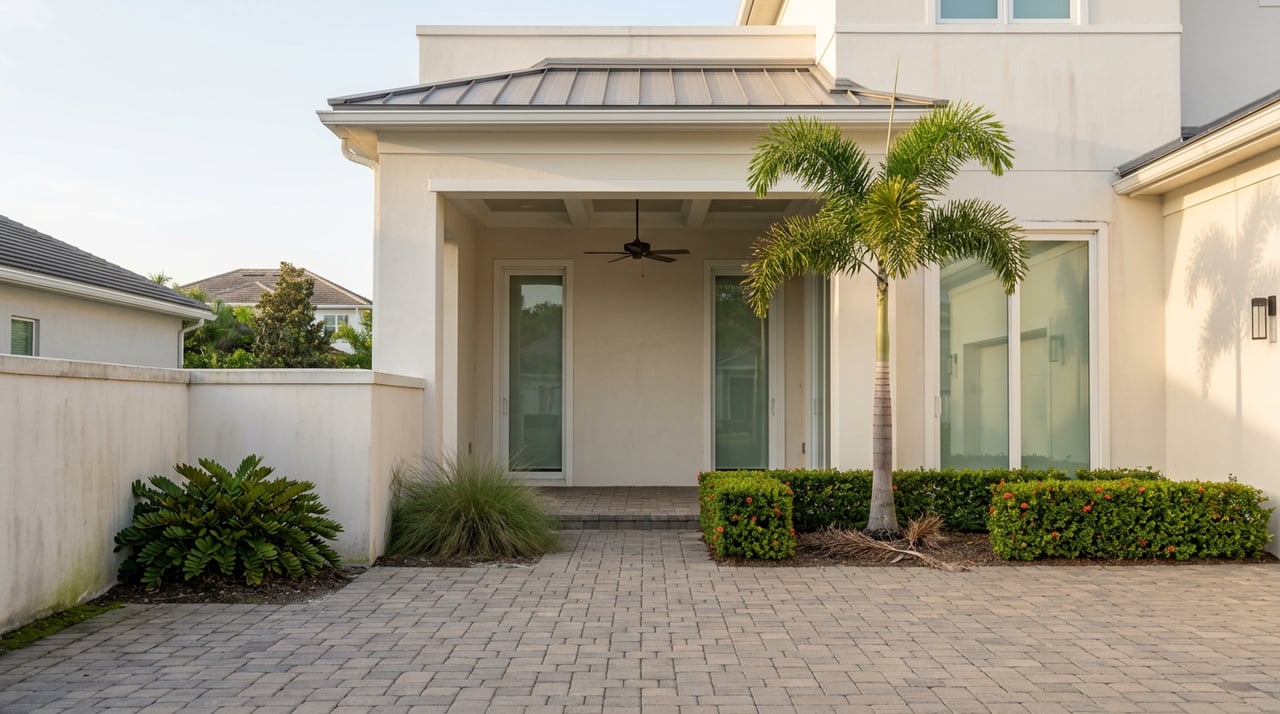
Do not forget outdoor areas. A clean lanai, patio, pool deck, or backyard can feel like added living space when it is presented well. NAR’s staging guidance treats exterior spaces as usable hangout areas, and that is especially relevant in Southwest Florida.
Fix obvious defects
Small flaws can raise bigger questions in a buyer’s mind. Loose handles, chipped paint, burned-out bulbs, stained grout, scuffed walls, and dripping faucets are all worth addressing before photos and showings. These are usually manageable fixes, but they can improve the overall impression of your home.
If carpeting is worn, NAR notes that replacing it with harder-surface flooring may make sense where appropriate. You do not need to overhaul everything, but visible wear and tear should not be left for buyers to mentally discount.
Focus on key rooms
Not every room needs the same level of effort. If your time or budget is limited, concentrate on the spaces that shape a buyer’s first impression most strongly.
Living room
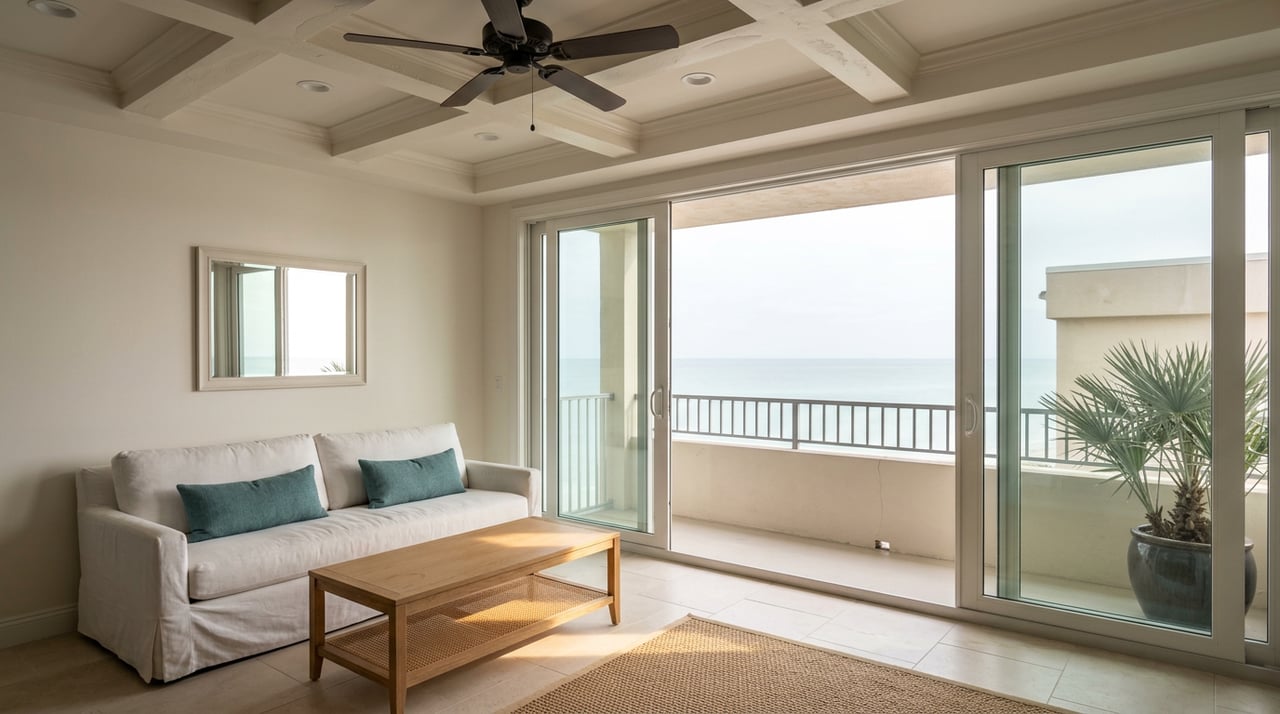
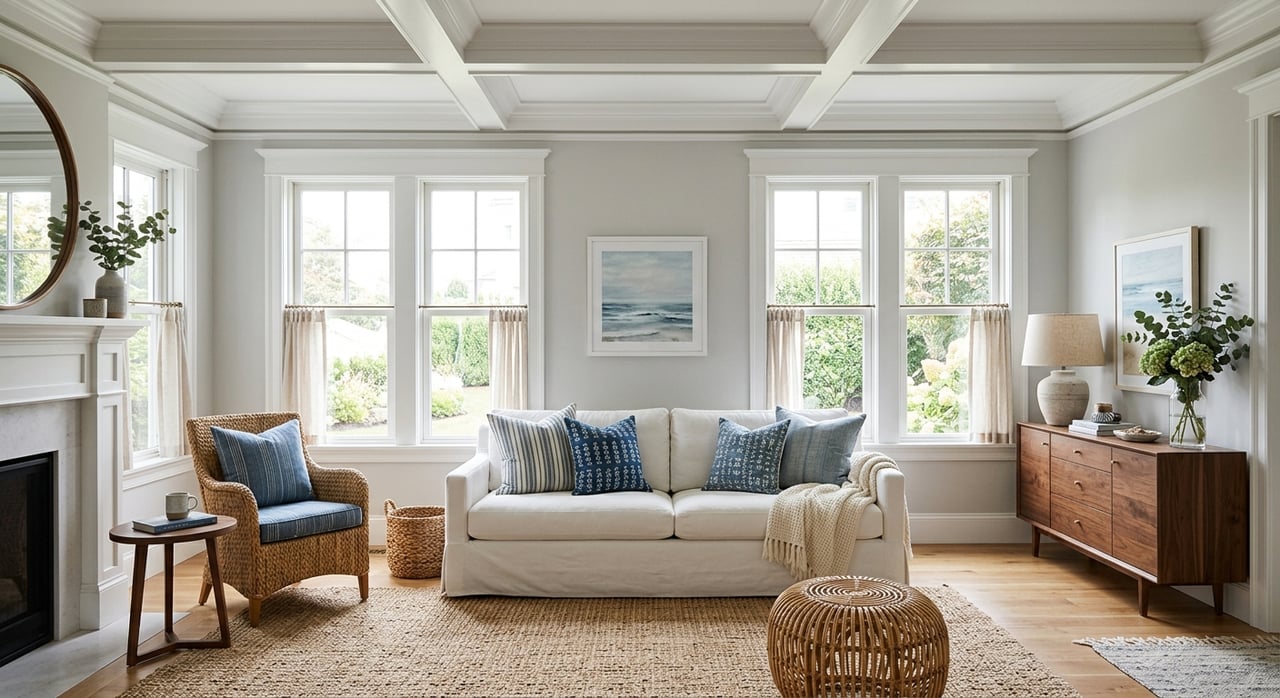
Your living room should feel open, bright, and easy to understand. Rearrange furniture to create clear walking paths and avoid blocking windows. If the room feels crowded, remove a few pieces so the layout looks more spacious in person and in photos.
Bring in as much natural light as possible. Open blinds, clean the windows, and use lamps where needed. NAR lists poor lighting as a common turnoff, so this is a simple area where you can make a strong improvement.
Kitchen
In the kitchen, clean counters are a must. Keep only a few simple items out, such as a coffee maker or a bowl of fruit, and store everything else. Buyers tend to notice clutter quickly in kitchens because these spaces are expected to feel functional and easy to maintain.
Lighting also matters here. Replace dim or mismatched bulbs and make sure the space feels bright and fresh. If cabinet hardware is loose or finishes look neglected, small touch-ups can go a long way.
Primary bedroom
The primary bedroom should feel restful and uncluttered. Make the bed neatly with simple bedding, clear off dressers and nightstands, and remove excess furniture if the room feels tight. Buyers respond well to spaces that feel calm and easy to settle into.
Pet beds, crates, and similar items should be put away for photos and showings. NAR specifically flags pet-related items and visual clutter as common distractions for buyers.
Do not overlook vacant homes
If you have already moved out, avoid leaving the home looking empty and flat. NAR notes that blank interiors can feel smaller and less inviting, which can make it harder for buyers to picture how the space works. That is a challenge you want to solve before your listing goes live.
This is where strategic staging or virtual staging can help. A vacant home does not always need a full furniture install, but buyers often need visual cues to understand room scale and purpose. For the right property, that can create a cleaner and more compelling launch.
How much staging is enough?
Staging does not have to mean a complete redesign. For many sellers, a practical level of staging includes decluttering, cleaning, improving light, simplifying décor, and styling the most important rooms. That approach can create a polished result without pushing you into unnecessary expenses.
NAR found a median staging-service cost of $1,500, compared with $500 when the seller’s agent handled staging themselves. That supports a budget-conscious strategy: spend where buyers will notice the difference most. In many cases, the best return comes from smart edits, not major spending.
Treat photography as part of prep
Professional marketing should begin before your listing launches, not after. Since buyers shop online first, your photos, video, and virtual tour help shape whether they book a showing at all. NAR says photos often determine whether a buyer clicks into a listing.
That makes photo day a deadline worth preparing for. Your home should be fully cleaned, decluttered, and styled before the camera arrives. If the home does not look ready in person, it will not look ready online.
NAR’s 2025 staging report also found that buyers’ agents rated photos, physical staging, videos, and virtual tours as highly important. It reported that 83% said staging made it easier for buyers to envision the home as their future residence, and 31% said buyers were more willing to walk through a home they saw online.
For sellers, that means strong visual marketing is not just cosmetic. It supports the entire sale process by attracting attention, creating better first impressions, and helping serious buyers take the next step.
Cape Coral prep items you should not skip
Cape Coral sellers have a few local issues that deserve special attention before listing. These details can affect buyer confidence, contract timing, and how smoothly your transaction moves forward.
Check permits for past work
If you have completed updates, repairs, or storm-related work, it is smart to verify permits before you list. The City of Cape Coral says its Permitting Services Division oversees permit activities under the Florida Building Code, city ordinances, and development standards. The city also offers online services for checking status, paying fees, and scheduling inspections.
This is especially important if work could affect value or trigger buyer questions. Unclear permit history can slow down a sale, particularly when buyers are already comparing homes carefully.
Review flood-related information
Flood preparation is a key part of selling in Cape Coral. The city provides a flood-risk portal where owners can check flood zone, Base Flood Elevation, Design Flood Elevation, and elevation certificates. The city also notes that 25% of flooding occurs outside designated Special Flood Hazard Areas, so this is worth reviewing even if you think your property is low risk.
Cape Coral is also clear that all repairs in a Special Flood Hazard Area require a permit. That includes substantial improvement or substantial damage applications, and after-the-fact permits may be needed for unpermitted work such as drywall, flooring, cabinets, electrical, or plumbing.
Florida law now requires sellers to provide a flood disclosure to buyers of residential real property at or before contract execution. The statute also states that homeowners insurance does not cover flood damage. Before listing, gather what you know about flood history, flood insurance, past claims, and any FEMA assistance so you are ready when questions come up.
Consider drainage and site work
If you have built, altered, regraded, or added fill on your property, verify whether permits were needed. The city warns homeowners to check before doing this kind of work to help avoid drainage issues. If your home has had outdoor changes, it is worth confirming everything is properly documented.
Prepare for storm season
If your listing period overlaps with storm season, weather readiness matters too. NOAA says Atlantic hurricane season runs from June 1 through November 30, and Cape Coral advises residents to secure outdoor items that could become debris during high winds or flooding.
That is not just a safety step. A tidy, storm-ready exterior also helps your home show better. Secure or store loose outdoor décor, clean up pool and patio areas, and make sure the exterior feels maintained.
What sellers often value most
Selling with confidence is not only about appearance. It is also about having a clear plan for pricing, presentation, timing, and buyer questions. NAR says sellers value agents who help price competitively, market the home to potential buyers, sell within a target time frame, and suggest ways to fix up the home for a better result.
That kind of support matters in a market like Cape Coral, where details can shape how quickly your home gets attention and how buyers respond. The right preparation helps your listing launch stronger and gives you a better starting point from day one.
If you are thinking about selling in Cape Coral, a smart prep plan can help you avoid guesswork and focus on what buyers actually notice. When you are ready for local guidance, polished marketing, and a practical strategy for getting your home market-ready, connect with Lindsey Moffat.
FAQs
What should I do first to prepare my Cape Coral home for sale?
- Start with decluttering, deep cleaning, improving lighting, and fixing obvious defects before photos or showings.
Which rooms matter most when staging a Cape Coral home?
- The living room, primary bedroom, and kitchen are the most important rooms to prioritize, based on NAR staging guidance.
Is professional photography worth it for a Cape Coral listing?
- Yes. Buyers shop online first, and listing photos are one of the most useful features in their home search.
Do I need to check permits before selling a home in Cape Coral?
- Yes. If you completed renovations, repairs, storm work, drainage changes, or flood-related work, it is wise to verify permit status before listing.
What flood information should Cape Coral sellers gather before listing?
- Review your flood zone details, elevation information, flood insurance history, prior flood claims, and any past flood damage or FEMA assistance before your home goes on the market.
How much staging does a Cape Coral home usually need?
- Many homes only need a practical level of staging, such as decluttering, cleaning, simplifying décor, and styling the key rooms rather than a full redesign.