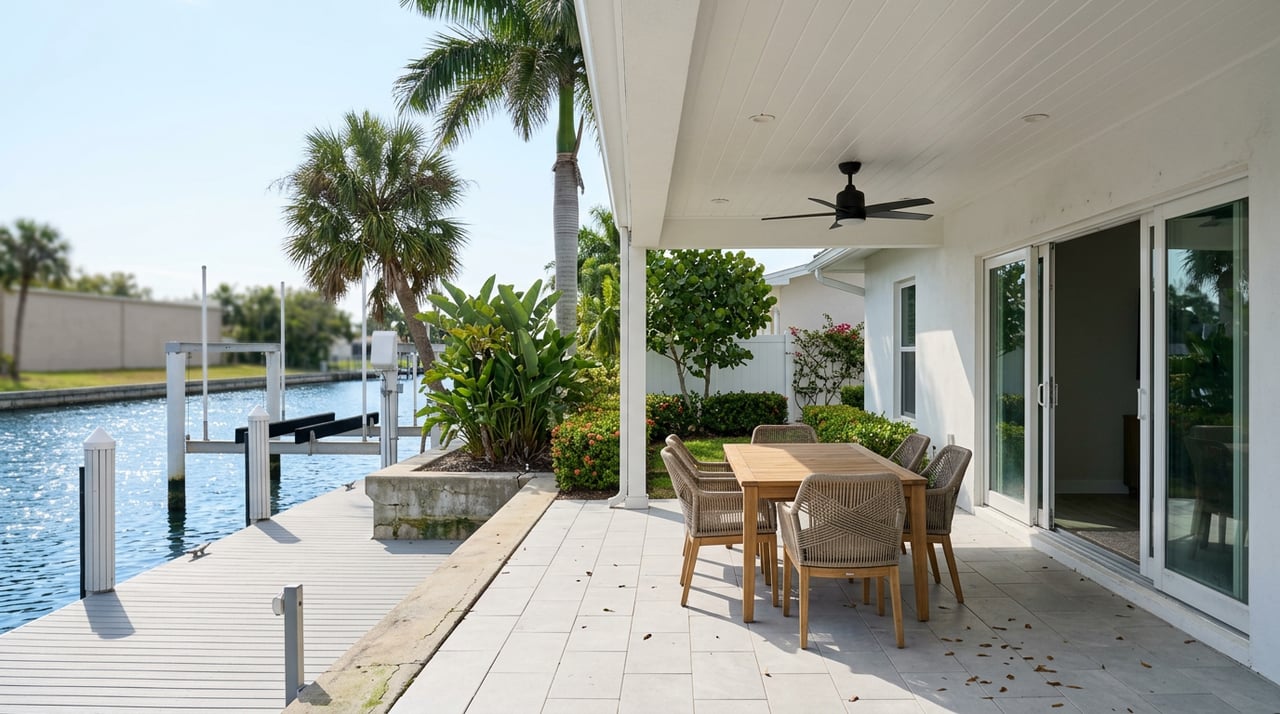
Picture this: morning coffee on your lanai as egrets glide by and your boat waits at the dock for a quick sunset cruise. If you are thinking about a waterfront home in Cape Coral, you want the fun and the facts in one place. In this guide, you will learn what daily life feels like on the canals, what home features to expect, how permits and insurance work, and how to evaluate boating access and depth. Let’s dive in.
Cape Coral waterfront at a glance
Cape Coral is built for the water, with over 400 miles of canals that shape how you live and play here. Many canals connect to the Caloosahatchee River and on to the Gulf, while some are interior freshwater systems without an open-water route. The key terms you will see in listings are gulf-access and whether the route is bridge- or lock-free. You can confirm local canal types and public launch options through the city’s boating page at the City of Cape Coral.
Waterfront lifestyle: boats and fishing
Boating and everyday fun
If you love being on the water, Cape Coral makes it easy. Many residents leave right from their private dock or use city-maintained public ramps, which are generally available unless closed for safety or repairs. Expect quick access to kayaking, paddleboarding, and casual cruising. You can find ramp locations and tips through City of Cape Coral boating resources.
Fishing and charters
Inshore and nearshore fishing are part of the rhythm here, with local guides targeting snook, redfish, spotted seatrout, and seasonal tarpon. Charter availability runs year-round and can be a great intro to local waters. To get a feel for options and seasonality, browse representative listings on a charter aggregator like FishingBooker’s Cape Coral page. For licenses and rules, review Florida Fish and Wildlife guidance on fishing basics and licensing.
Etiquette, wildlife and safety
Some canals see heavier boat traffic, especially on weekends. You will encounter no-wake zones, manatee protection areas, and posted speed controls. Always follow local and state rules, and check the city’s reminders on boating etiquette and ramps.
Home features to expect
Dock and lift essentials
On canal-front homes, docks and lifts are common and often include electrical service, water, and storage. Materials range from wood and composite to concrete, and many owners add a canopy or tiki for shade. Cape Coral sets clear standards for marine improvements, including dock projection, canopy size, ladders, and corrosion-resistant fasteners. Before you buy or build, review the city’s marine improvement rules in the Cape Coral municipal code and the latest application packets in the Permit Document Center.
Seawalls and shoreline care
If your lot sits on saline, brackish, or tidally influenced water, the city requires a seawall, and owners must maintain it. Seawall condition is a critical part of due diligence because repairs or replacement are major projects. While many canals use concrete seawalls, you can also learn about nature-based shoreline strategies from Florida Sea Grant’s living shorelines overview. Always confirm what is allowed on your specific parcel under local code.
Boating access, depth and bridges
Routes and bridge clearances
Most gulf-access routes from Cape Coral run through canals to the Caloosahatchee River, then out toward Pine Island Sound. Fixed bridges can limit a boat’s air draft, and a few routes may include locks or drawbridges depending on location. If you already own a boat, verify the path from the property to open water, including bridge clearances and tides, using the city’s boating and canal resources.
Dredging and depth checks
Canal depth varies across the city and can change with storms and sediment. Cape Coral runs a multi-year canal dredging program with maintenance permits that currently limit dredging to no more than five feet below mean low water. You can review program updates and subareas like Redfish Point on the City’s Canal Dredging Project page. If you plan to keep a specific boat at the dock, check depth at low tide and ask about recent dredging or surveys on that canal.
Permits, flood zones and insurance
Permits and property history
Docks, lifts, canopies, and seawalls usually require a city marine improvement permit. During due diligence, request the property’s permit history to confirm what was built and whether it passed inspections. Unpermitted work can be ordered removed. You can access forms and public records through the city’s Permit Document Center.
Flood maps, CRS discounts and wind
Lee County’s updated FEMA flood maps took effect on November 17, 2022. If a property is in a Special Flood Hazard Area, flood insurance is required for most financed buyers. Cape Coral participates in FEMA’s Community Rating System, which can provide community-wide premium discounts, but your rate still depends on the home’s elevation and other factors. Review county map update context from Lee County and the city’s guidance on zones, elevation certificates, and CRS discounts at Cape Coral Flood Protection. Standard homeowners policies do not cover flood damage, and Florida policies often have separate wind or hurricane deductibles, so get homeowners, wind, and flood quotes early.
Budgeting and upkeep
Waterfront homes come with extra care. Plan for routine seawall inspections and maintenance, dock and lift servicing, electrical and GFCI safety checks at the dock, and corrosion control on piles and fasteners. Before storm season, review boat tie-down or hauling plans and clear your dock area. It is smart to set aside a reserve for larger items over time, such as seawall work, dock rehabilitation, or lift replacement.
Buyer due-diligence checklist
Use this checklist to compare canal-front options and avoid surprises:
- Confirm the water access type: gulf-access or interior, plus any bridge or lock constraints. Ask for canal maps and route photos; cross-check with City boating resources.
- Pull the city permit history for the seawall, dock, lift, and canopy. Review the Permit Document Center and look for unpermitted work.
- Order a marine or seawall inspection from a licensed marine contractor. Get repair or replacement estimates if needed.
- Verify the flood zone and Base Flood Elevation, then obtain NFIP and private-market flood quotes. See Cape Coral Flood Protection and map updates at Lee County.
- Confirm dock and lift rated capacity, electrical safety, and any HOA or marina limits on boat size or structures.
- Check canal depth at low tide and ask about dredging history or surveys. See the City’s Canal Dredging Project for area context.
- Ask the seller about any prior flood or hurricane claims and review available records at closing.
- If fishing is a priority, confirm licenses and seasons with FWC’s fishing basics and be mindful of wildlife protections.
Work with a local guide
Choosing the right canal, confirming access, and lining up permits and insurance can feel complex, but you do not have to figure it out alone. You deserve a responsive partner who knows Southwest Florida, understands marine improvements and flood questions, and will help you buy with confidence. If you are ready to explore Cape Coral waterfront options or want a smart plan for due diligence, connect with Lindsey Moffat. Let’s make your waterfront move simple and successful.
FAQs
What does “gulf-access” mean in Cape Coral?
- It means your canal route connects to the Caloosahatchee River and on to open water; always confirm if the route is bridge- or lock-free using city boating resources.
Are seawalls required on all Cape Coral canals?
- The city requires seawalls on saline, brackish, or tidally influenced parcels and holds owners responsible for maintenance; see the municipal code.
How do I check flood insurance needs for a waterfront home?
- Verify the FEMA flood zone and BFE, then get quotes from NFIP and private carriers; the city’s Flood Protection page and Lee County update info explain the 2022 map changes and CRS discounts.
How can I confirm a dock or lift was permitted?
- Request the property’s permit history during due diligence and compare it to what is on site; you can review public records and forms in the Permit Document Center.
Why does canal depth matter when buying?
- Depth controls the size and draft of boats you can keep at your dock, and the city’s maintenance dredging permits limit dredging depth; see current notes on the Canal Dredging Project.